Knowledge

If the room looks bright, why does the desk still need its own light?
Room brightness, light at the work surface and light on the face are different conditions. A useful task light manages their relationship instead of simply making everything brighter.
Read more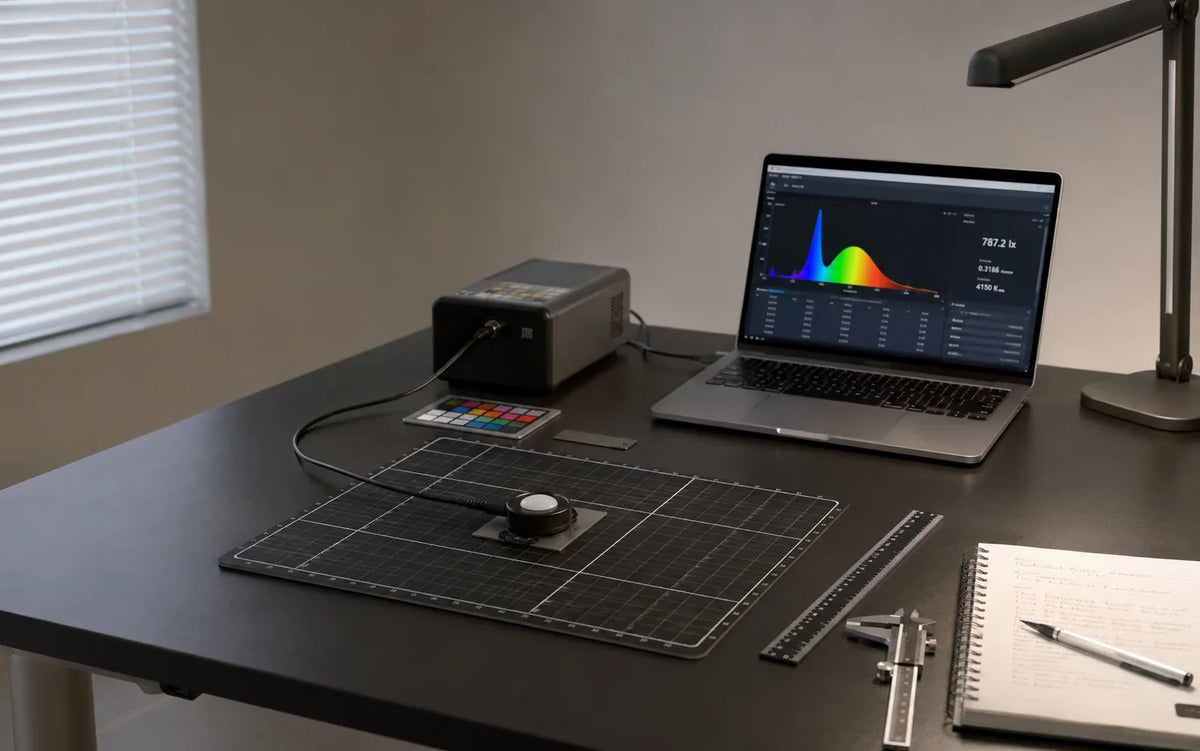
What does “250 lx melanopic EDI in daytime” actually mean?
It is an eye-level exposure recommendation for healthy adults, not a desktop lux target and not a universal prescription.
Read more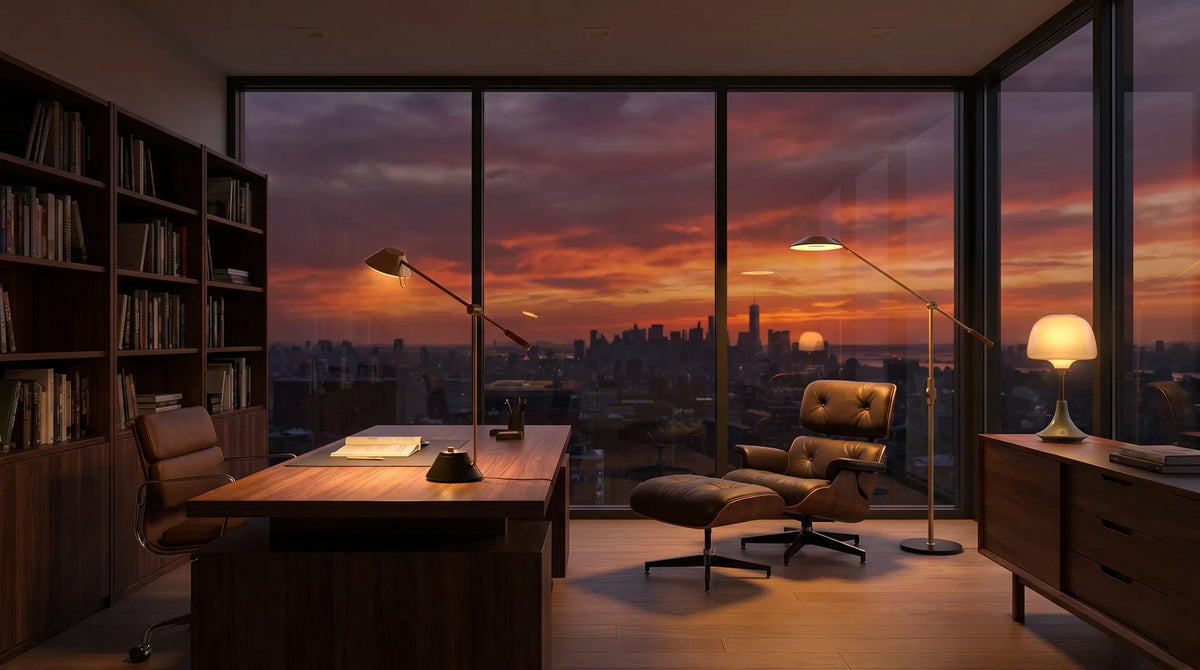
“Proper light at the proper time” is more precise than “healthy light.”
The useful question is not whether a lamp is healthy. It is what light reaches the eyes, when, for how long, and in what context.
Read more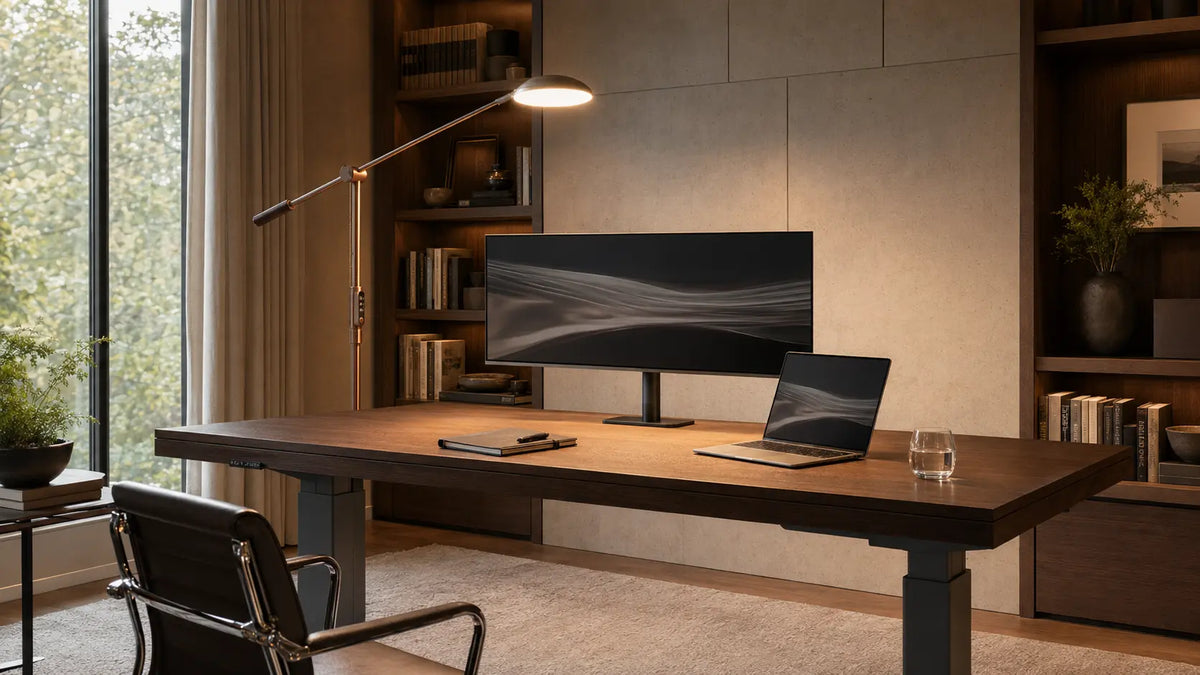
Before adding another biohacking device, audit the room you already spend all day in.
For most knowledge workers, light timing, glare, noise, visual contrast and evening boundaries are higher-frequency exposures than an occasional protocol.
Read more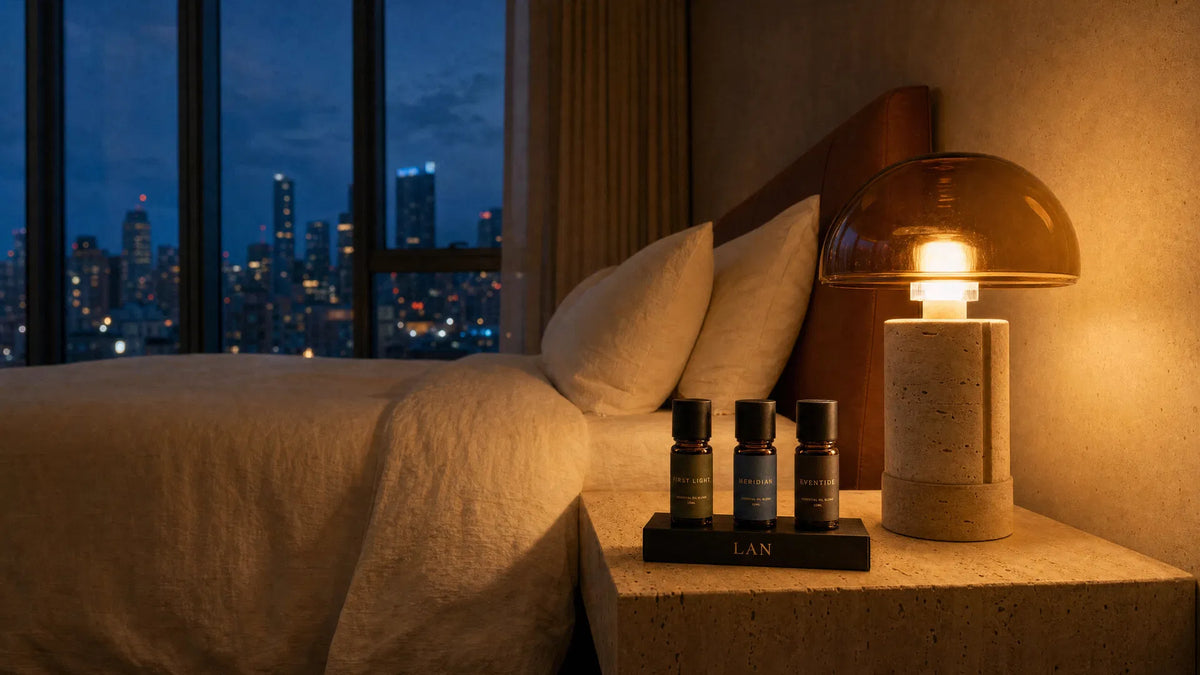
Why can scent bring back a memory before words do?
Olfactory pathways are closely connected with brain systems involved in emotion and memory. That helps explain why a personally meaningful odor can feel unusually immediate.
Read more
Sound is not background. It is part of the nervous system’s environment.
The brain continuously evaluates sound for meaning, salience and possible action. A useful sound environment begins with context, not a universal “focus frequency.”
Read more
A plain-language definition of time-aware light, how it differs from fixed scenes and schedule-only lighting, what it measures, and what still requires product-specific evidence.
Read more